GETCO2 International Women’s Day Series: Prof Zaiping Guo

Our International Women’s Day 2024 Series celebrates GETCO2’s trailblazer women in Science. Meet these talented and hard-working women and be inspired by their advice for others hoping to excel in their careers.

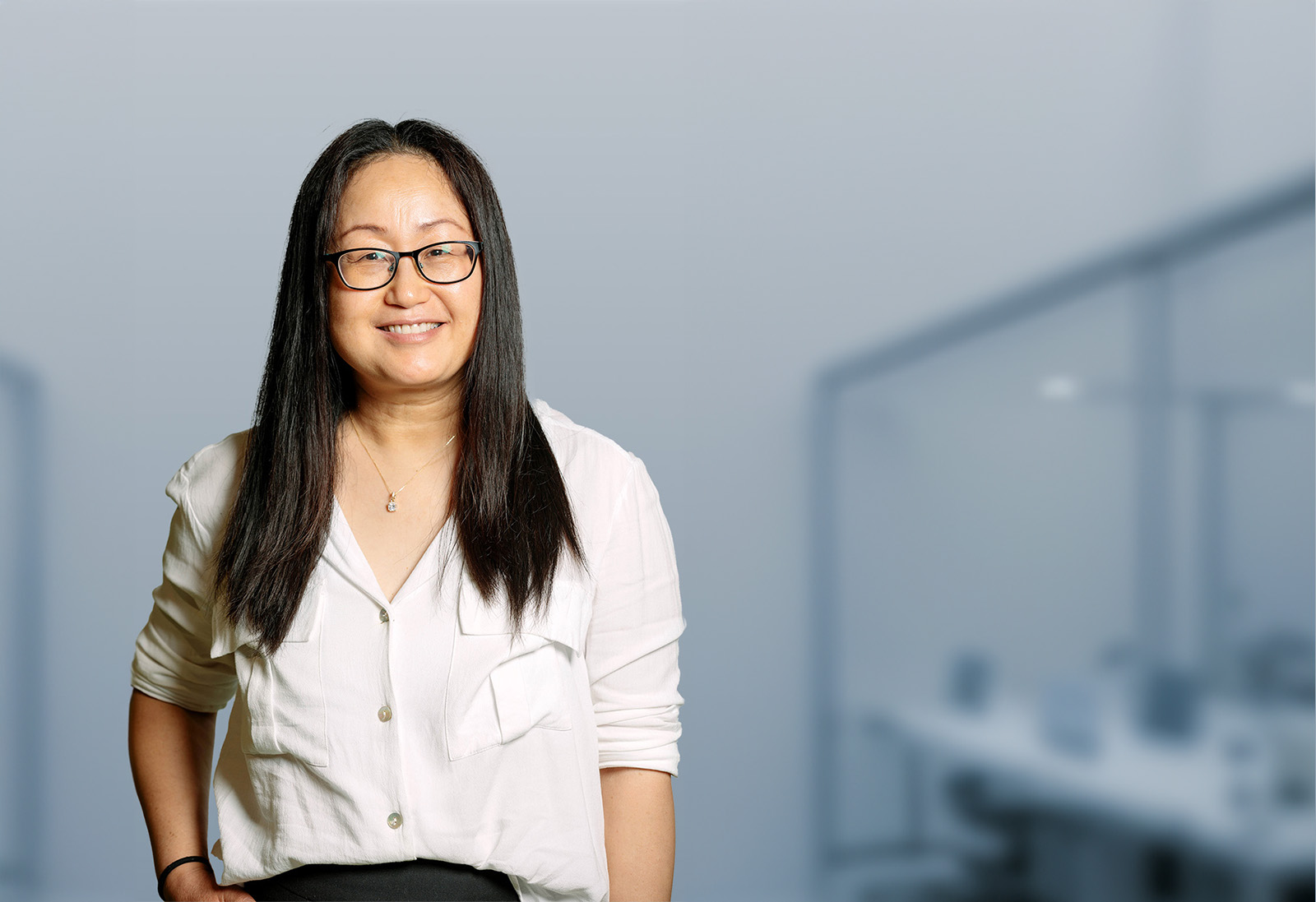
Zaiping Guo
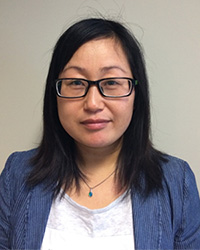
Zaiping Guo

  • Professor Zaiping Guo is an Australian Laureate Fellow at School of Chemical Engineering, The University of Adelaide. She is also an Associate Editor for Chemical Science, a flagship journal of the RSC. She was elected to the Fellow of Australian Academy of Science and Australian Academy of Technological Sciences and Engineering in 2023. Her research focuses on the design and application of electrode materials and electrolyte for energy storage and conversion, including rechargeable batteries, hydrogen storage, and fuel cells. Her research achievements have been recognized through numerous awards, including an ARC Queen Elizabeth II Fellowship in 2010, an ARC Future Professorial Fellowship in 2015, an ARC Laureate Fellowship (2021), and the Clarivate Analytics Highly Cited Researcher Award in 2018, 2019, 2020, 2021, 2022, and 2023. She was also awarded 2020 NSW Premier’s Prizes for Science & Engineering for Excellence in Engineering or Information and Communications Technology.


What are you most proud of in your career?

One of the most fulfilling aspects of my career has been mentoring and inspiring the next generation of scientists and engineers in the field of energy storage. Seeing my students and mentees thrive and contribute meaningfully to the advancement of battery technology brings me immense pride and satisfaction

What do you love most about your job?

What I love most about my job is the opportunity to explore and innovate in the field of energy storage and conversion. Every day presents new challenges and opportunities to push the boundaries of what’s possible in energy storage and conversion, and that constant sense of discovery is incredibly rewarding.

What is your advice for other women to excel in their careers?

My advice to other women is to embrace their unique strengths and perspectives. Diversity of thought and experience is invaluable in any field, and women bring a valuable perspective to the table. Be confident in your abilities and don’t be afraid to speak up and share your ideas.

Don’t be afraid to take risks and embrace challenges. Growth often comes from stepping outside your comfort zone and taking on new and unfamiliar tasks. Be open to new opportunities and don’t let fear of failure hold you back. Also, remember to prioritize self-care. Balancing a successful career with other aspects of your life can be challenging, but it’s essential for overall well-being and success. Do not be afraid to ask for help when you need it.

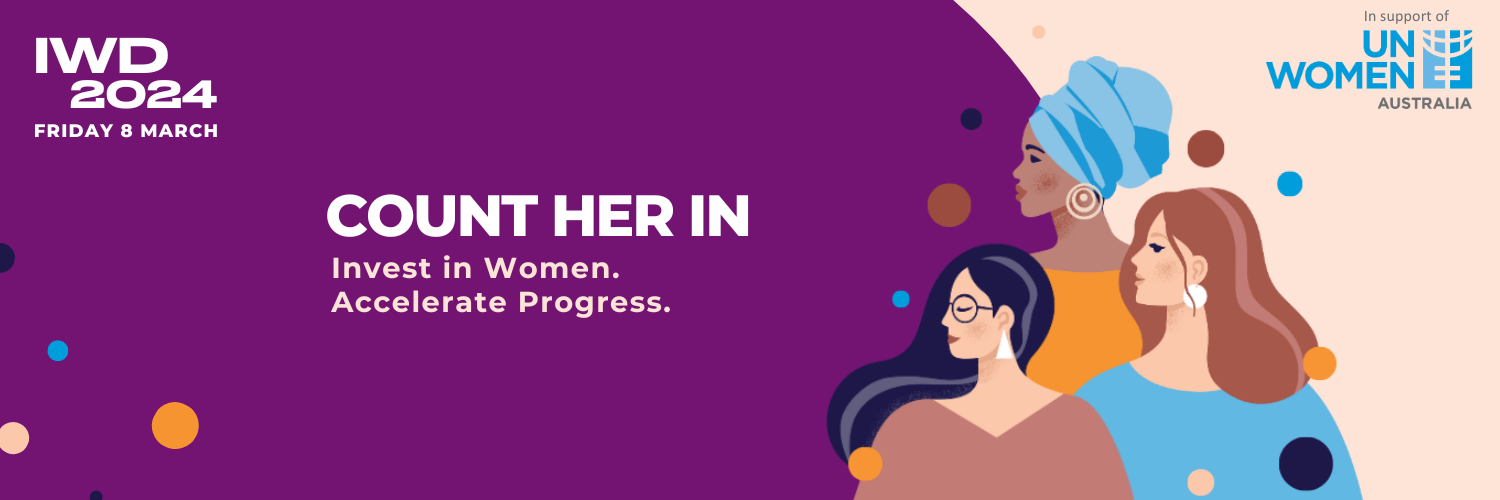
The campaign theme for International Women’s Day 2024 is ‘Count Her In: Invest in Women. Accelerate Progress’. How do we invest in women in research and science?

Offer professional development programs, workshops, and training opportunities to help women researchers advance in their careers. Provide access to resources, networks, and opportunities for collaboration. Also, highlighting the contributions of women in research and science can inspire others and promote gender equality.
Back to GETCO2’s IWD profiles.

GETCO2 International Women’s Day Series: Dr Eloise Larsen

Our International Women’s Day 2024 Series celebrates GETCO2’s trailblazer women in Science. Meet these talented and hard-working women and be inspired by their advice for others hoping to excel in their careers.

Eloise Larsen

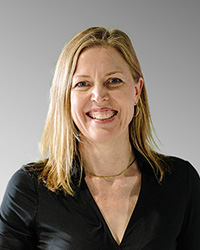
Eloise Larsen

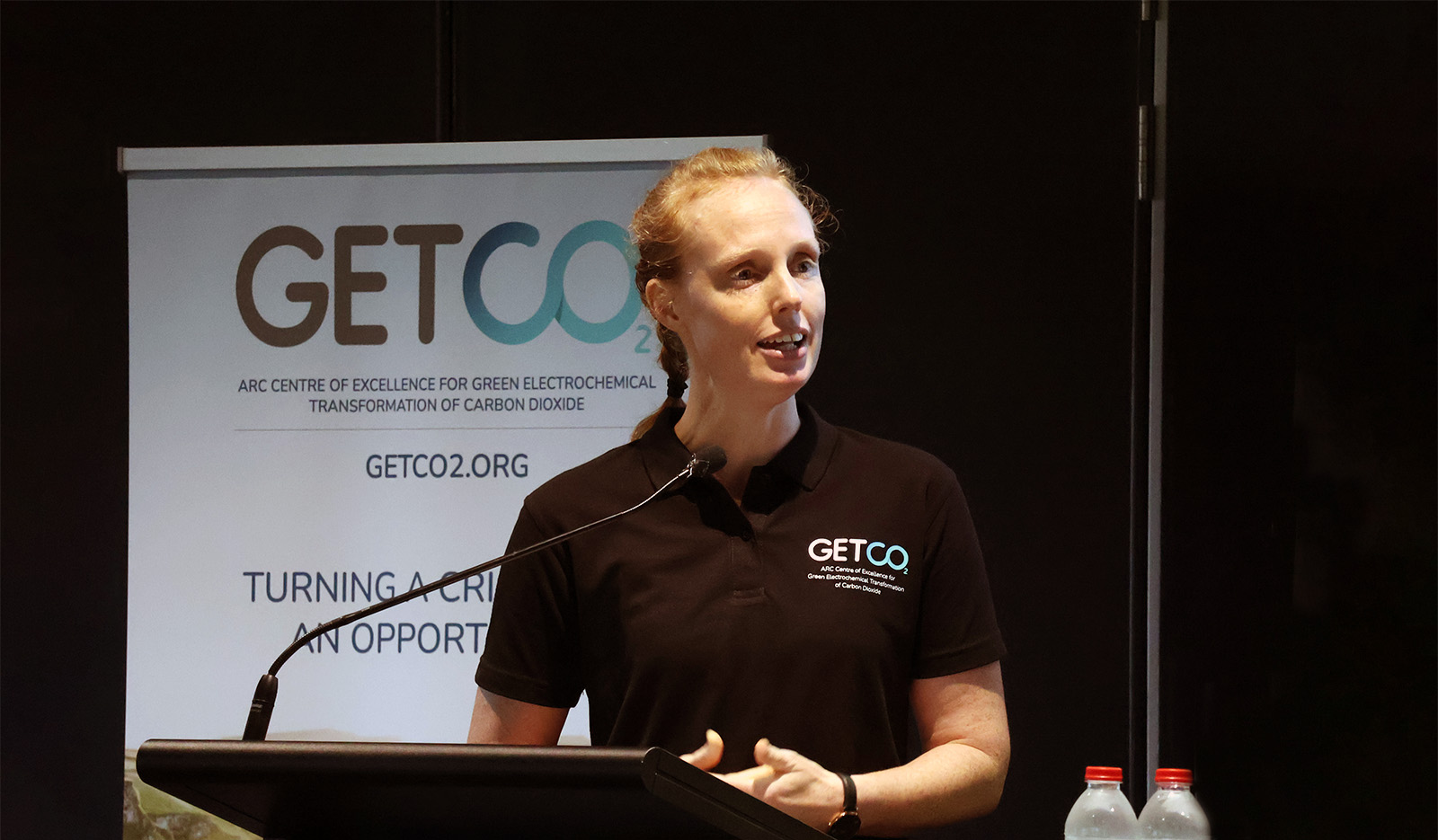
Dr Eloise Larsen is the Chief Operations Officer at GETCO2. She has a research background in microbiology focusing on water resources management and water quality. Prior to her current role, Eloise was the Centre Manager at UQ Dow Centre for Sustainable Engineering Innovation and has worked as Project Manager at the Australian Centre for Water and Environmental Biotechnology at the University of Queensland, Research Portfolio Manager at the Cooperative Research Centre for Water Sensitive Cities and also held positions at SEQWater, QUT and Griffith University.

What are you most proud of in your career?

When I was young I thought I could have it all! I learnt over time that ‘having it all’ takes compromise & hard work, which luckily I’m not afraid of! I was always curious to try different things in my career & my path has not always been clear.  On IWD, I’m proud that I’ve managed to forge my own way while adapting to changing family responsibilities.

What do you love most about your research/job/studies? 

I love working with inspirational people. And I love science that has tangible impact. I feel my current role as COO of GETCO2 is a dream job – I get to work with the best minds on mitigating a problem that has global scale.

What is your advice for other women to excel in their careers?

Find those people who have faith in you. Constantly learn from the people around you & help each other to achieve life & career goals.

The campaign theme for International Women’s Day 2024 is ‘Count Her In: Invest in Women. Accelerate Progress‘. How do we invest in women in research and science?

In my career I have often been in situations where I’m the ‘only woman in the room’. It’s difficult to navigate the culture in these situations & stay true to yourself. I want our Centre to create a scaffold for the realisation of talent so that women are supported, not just to enter STEM but to stay in STEM!

Back to GETCO2’s IWD profiles.

Ruth Knibbe Elected as Regional Representative for the International Society of Electrochemistry

Associate Professor Ruth Knibbe has been elected as the International Society of Electrochemistry (ISE) ‘s regional representative for Australia and New Zealand.  In this important role, she will join a group of regional representatives from 41 countries and act as a link between the Society and its members from the region.

ISE’s mission is to advance electrochemical science and technology, promote international cooperation in electrochemistry, and provide a platform for the exchange of scientific information and ideas. The Society was founded in 1949 to serve electrochemistry’s growing needs as a modern scientific discipline. It now comprises about 3000 individual members and more than 20 Corporate Members across the world.

The appointment as the Regional Representative for the International Society of Electrochemistry is a testament to Ruth’s expertise and leadership in the field of electrochemistry. She has a range of leadership and community development experience – apart from her role as GETCO2 Chief Investigator, Ruth is a Senior Lecturer and Deputy Head of School in the School of Mechanical & Mining Engineering at the University of Queensland.

As part of ISE, Ruth looks forward to the opportunity to support and empower the next generation of electrochemists. Her focus will be on improving knowledge exchange through the development of workshops and seminars, along with continuing communication improvement through social media platforms. She will also support and promote regional conferences, recognising their key role in fostering knowledge exchange and collaboration.

Learn more about the International Society of Electrochemistry.

ISGTCO2: A Grand Success

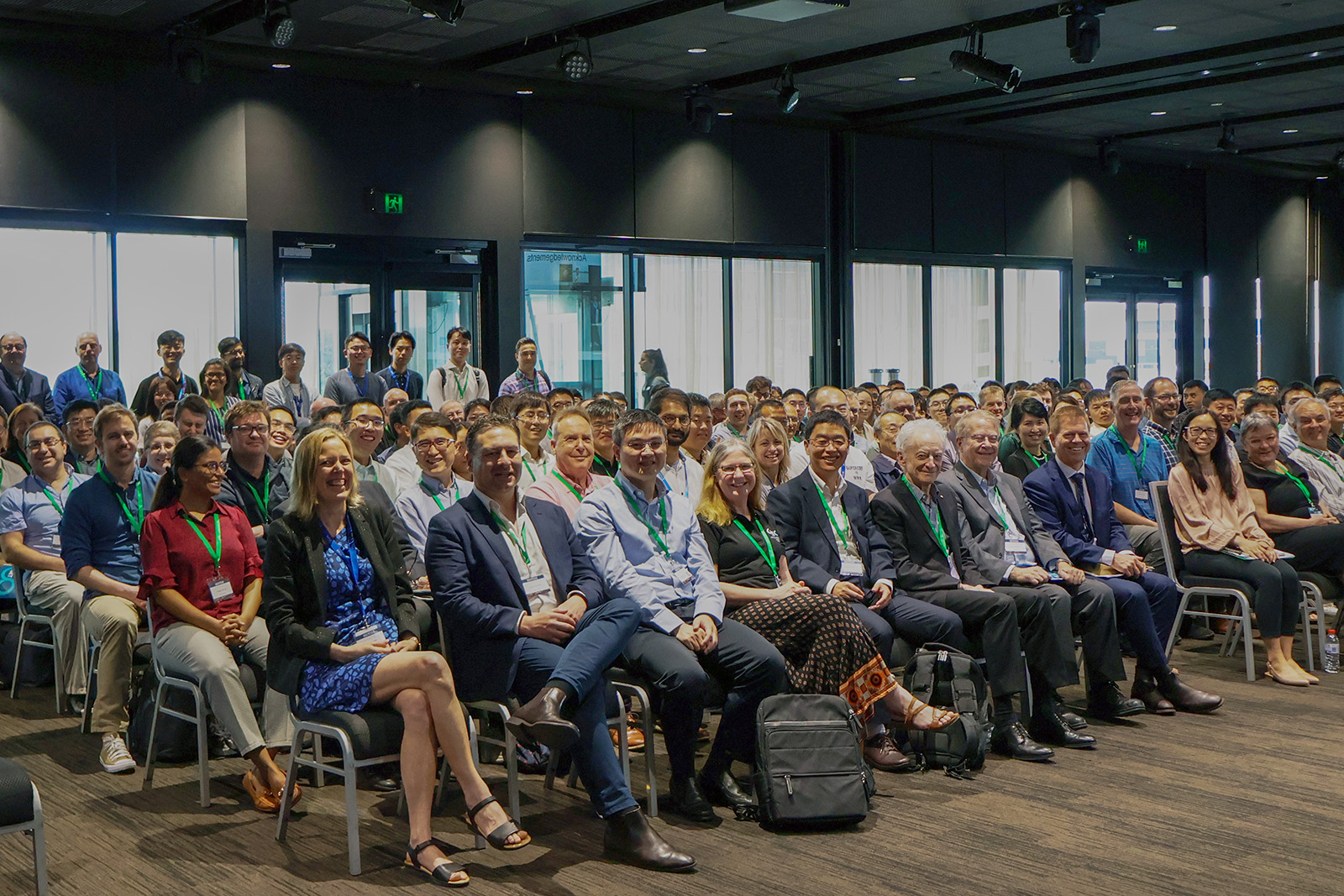
The inaugural International Symposium on Green Transformation of Carbon Dioxide (ISGTCO2) was a grand success, with over 170 delegates from around the world gathering in Brisbane, Australia, from 28 November to 1 December 2023.

The symposium aimed to inspire and advance research collaboration on using carbon dioxide as a resource and developing solutions to accelerate the progress toward net-zero targets. With the theme, “Cooperating on a global opportunity,” the symposium embodied the spirit of GETCO2 as an international, multi-institutional, inter-disciplinary, and highly collaborative ARC Centre of Excellence.

Over three days, ISGTCO2 covered 100 presentations across three concurrent streams. The topics spanned across CO2 capture, CO2 reduction technology landscape, catalysts, membrane electrolysis, system simulation, advanced characterisation, and carbon bonds. In between the highly technical discussions and presentations, there was also time to network, attend a gala dinner at the beautiful Customs House on the Brisbane River – and an opportunity to meet some local Australian wildlife!

The feedback from delegates was overwhelmingly positive and confirmed the importance of bringing experts together from across the world to share their insights and join forces in the journey towards a sustainable future.

Now it is time to GETCO2!

Symposium stats:

  • 171 delegates from 10 countries
  • 36 female delegates
  • 100 presentations
  • 1 wombat, 1 owl and 3 reptiles (representing the local wild Australians)

Symposium Plenary speakers:

Symposium award winners:

Congratulations to:

  • Dae-Hyun Nam, Daegu Gyeongbuk Institute of Science and Technology (DGIST) – winner of the Shimadzu Best Presentation Award, sponsored by Shimadzu Corporation
  • Yu Yang, the University of Sydney – winner of the Best Student Presentation Award, sponsored by Elsevier Materials Today Chemistry
  • Ahmad Zhafran Md Azmi, University of New South Wales – winner of the Best Student Presentation Award, sponsored by Elsevier Materials TodayChemistry
  • Aoni Xu, Technical University of Denmark– winner of the PerkinElmer Outstanding Young Researcher Award, sponsored by PerkinElmer
  • Timothy Duignan, Griffith University – winner of the Wiley Outstanding Young Researcher Award, sponsored by Wiley

Symposium sponsors:

A big thanks to our sponsors for their support:

Program booklet and more info:

For more information about ISGTCO2 2023 please visit the Symposium website and check the program booklet.

GETCO2 Highly Cited Researchers 2023 Awards

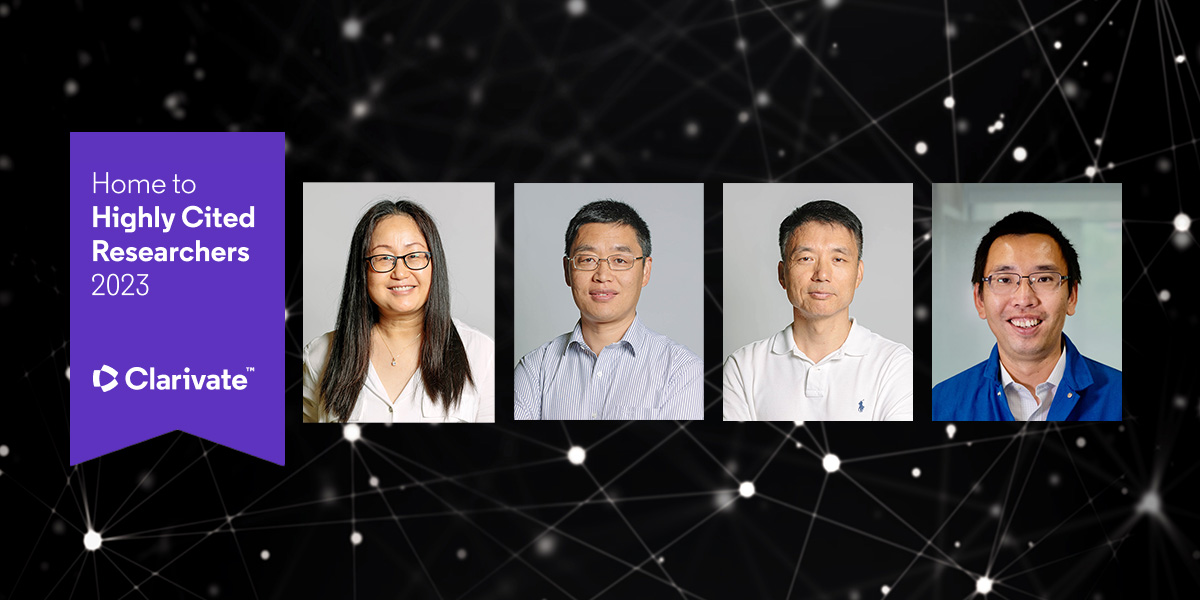
Congratulations to  GETCO2 researchers Professor Xiwang Zhang, Professor Chuan Zhao, Professor Zaiping Guo  and Professor Feng Jiao (Partner Investigator) on receiving the Highly Cited Researcher 2023 Award from Clarivate!

The prestigious award recognises the exceptional performance of researchers who have a significant number of papers in the top 1% most cited in their field and year of publication. To highlight just how significant these awards are, they are only bestowed on ~1 in 1000 researchers.

This select group of scientists contribute disproportionately to extending the frontiers of knowledge and gaining for society innovations that make the world healthier, more sustainable and more secure.

The full list can be found online here.

Debra J. Bernhardt joins GETCO2

We are excited to welcome Professor Debra J. Bernhardt to GETCO2 as a UQ Chief Investigator.

Debra is an ARC Australian Laureate Fellow in the Australian Institute for Bioengineering and Nanotechnology (AIBN) and School of Chemistry and Molecular Biosciences (SCMB) at The University of Queensland. She was the recent recipient of the RACI Margaret Sheil Leadership Award 2023.

Debra is taking over from Suresh Bhati, who is currently an Emeritus Professor at UQ and will convert from Chief Investigator to Associate Investigator with GETCO2. Suresh’s expertise and leadership have been invaluable in advancing GETCO2, and we appreciate his continuing involvement with GETCO2 as an Associate Investigator.

Debra Bernhardt will contribute renowned expertise in theoretical and computational methods for studying new materials and fluids, and she will be part of Research Theme 4 – Characterisation and Computation.

Curious about computation?

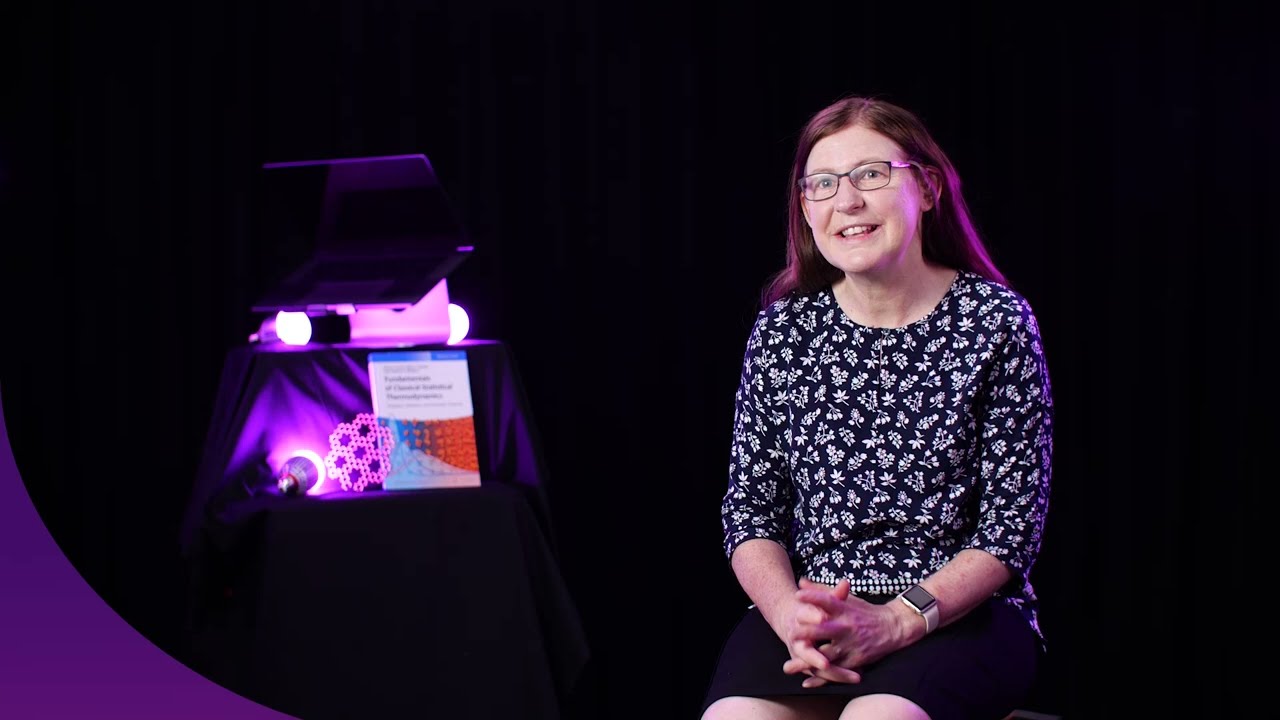
In this video, Debra explains how computational models can be used in the development of theory and computational methods for the study of molecular systems;

You can learn more about Debra’s research at the International Symposium on Green Transformation of Carbon Dioxide in Brisbane, 29 Nov – 1 Dec 2023, where she will present a plenary talk on Contributions of Simulation to Green Transformation of Carbon Dioxide.

Fast-tracking CO2 capture technologies with Machine Learning

Carbon capture and storage technologies play a crucial role in mitigating greenhouse gas emissions. One of the challenges is the search for the best material to store CO2 in the most efficient and inexpensive way.

GETCO2’s Associate Investigator Dr Babarao and his team at the Royal Melbourne Institute of Technology in collaboration with Dr Aaron Thornton from CSIRO have looked at a new class of materials called Metal-Organic Frameworks (MOFs) to capture CO2.

You can design these nano-materials in infinite ways, by tuning the shape and composition of the structures. However, optimisation can quickly become costly, both in terms of materials used and computational requirements in simulations. This calls for cheaper and faster methods of evaluating the growing list of candidates.

Tuning the building blocks

Using Machine Learning the research team has managed to dramatically reduce the time it takes to evaluate the materials and find the best candidates. One of the building blocks in the machine learning model is a descriptor that predicts which materials are best suited for CO2 capture. Dr Babaro’s team has developed a new descriptor, that significantly outperforms others, being hundreds of thousands of times faster. They call it the “Effective Point Charge (EPoCh)” descriptor.

The team aims to use this fast method to find suitable materials for CO2 capture and storage that the experimentalist can test and then scale up for commercial use.

This work is funded by the CSIRO Permanent Carbon Locking Future Science Platform and is recently published in Nature Communications Chemistry journal.

Meet the experts at ISGTCO2 29 in Brisbane this November

You can learn more about the research and meet Dr Ravichandar who will present at the International Symposium on Green Transformation of Carbon Dioxide.

For more information, please visit the ISGTCO2 symposium website.

Image:
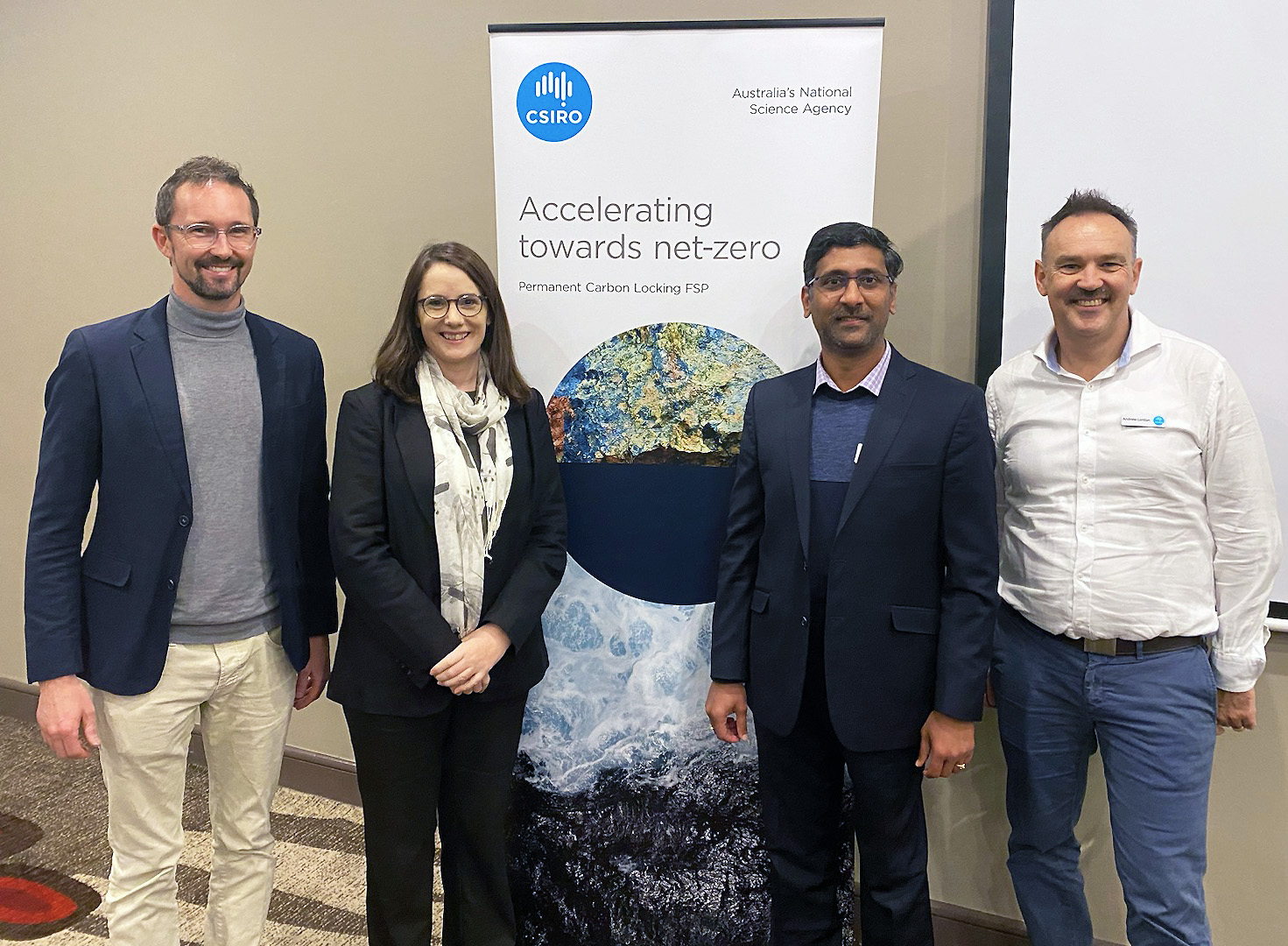
From left: Supervisor Dr Aaron Thornton and Team Leader Dr Cara Doherty from CSIRO, Dr Ravichandar Babarao from RMIT and Director of CarbonLock FSP Dr Andrew Lenton from CSIRO.

Early Bird extended: International Symposium on Green Transformation of Carbon Dioxide (ISGTCO2)

Due to popular demand, early deadlines for the 3-day International Symposium on Green Transformation of Carbon Dioxide, ISGTCO2 have been extended to 16 October. The symposium will be held in Brisbane, Australia, from 29 November – 1 December 2023, proudly hosted by GETCO2.

About ISGTCO2

Under the theme, Cooperating on a global opportunity, ISGTCO2 brings together a critical mass of expertise to tackle the world’s biggest challenge – carbon dioxide.

With ISGTCO2, we wish to provide a unique platform for researchers and industry participants to share their ideas and experience in CO2 capture and reduction technologies. Our ambition is that the symposium will inspire and advance research collaboration on using carbon dioxide as a resource and developing solutions to accelerate global progress toward net-zero targets.

The Symposium will cover a wide range of cutting-edge research in the carbon space with distinguished international research leaders, offering delegates an excellent opportunity to network and build research collaborations.

ISGTCO2 will be held at the Grand Chancellor Hotel in the heart of beautiful Brisbane City.

Register for the Symposium here.

Abstracts can be submitted to isgtco2@uq.edu.au until 16 October.

Zaiping Guo – Fellow of the Australian Academy of Science 2023

GETCO2 Chief Investigator  Professor Zaiping Guo has been elected Fellow of the Australian Academy of Science Fellowship 2023.

Zaiping is a materials scientist and GETCO2 Node Director at the University of Adelaide, where she has made pioneering contributions to our understanding of how electrode materials and electrolytes behave. Her world-leading research focuses on developing more powerful, longer-lasting and safer rechargeable batteries for portable devices, electric vehicles and smart grids.

Zaiping’s research investigates novel electrode materials and electrolytes for lithium-ion batteries to increase the amount of energy they can store and extend their cycle life. One of her research team’s innovations is a synthesised silicon-carbon composite that can replace graphite as the anode in lithium-ion batteries. This will boost the energy density compared to the current lithium batteries. She also pioneered potassium ion batteries, which have the same chemical properties as lithium but are more abundant and cheaper.

Fellows of the Australian Academy of Science are among the Nation’s most distinguished scientists, elected by their peers for ground-breaking research and contributions that have had clear impact, and Zaiping hopes her Fellowship will inspire other young women in science to follow in her footsteps and push other boundaries.

Meet Zaiping Guo and learn more about her research in this video from the Australian Academy of Science.

See the 20 new 2023 Fellows on the Australian Academy of Science here.

Dr Fengwang Li awarded the 2023 Australian Museum Eureka Prize for Outstanding Early Career Researcher

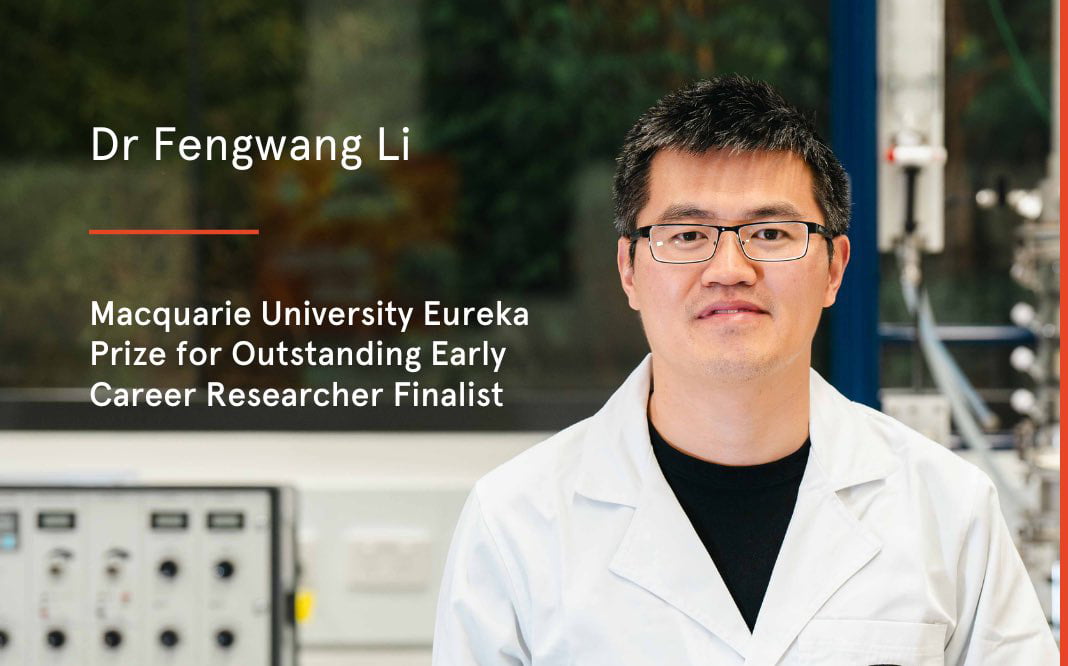
Congratulations to Dr Fengwang Li for his win of the 2023 Macquarie University Eureka Prize for Outstanding Early Career Researcher!

Dr Fengwang Li, GETCO2 Chief Investigator from the University of Sydney Node, was awarded the Eureka Prize for his creation of an affordable and more efficient process for using renewable energy to convert waste carbon dioxide emissions into ethylene, a basic component of plastic. This innovative solution brings real-world carbon capture and utilisation a step closer, offering emissions-intensive industries a path towards net zero.

The Australian Museum Eureka Prizes are the country’s most comprehensive national science awards, honouring excellence across the areas of research & innovation, leadership, science engagement, and school science. Presented annually in partnership with some of the nation’s leading scientific institutions, government organisations, universities and corporations, the Eureka Prizes raise the profile of science and science engagement in the community by celebrating outstanding achievement.

Meet Fengwang and learn more about his research in this video (external link).

Photo credit: USYD Media/Stefanie Zingsheim